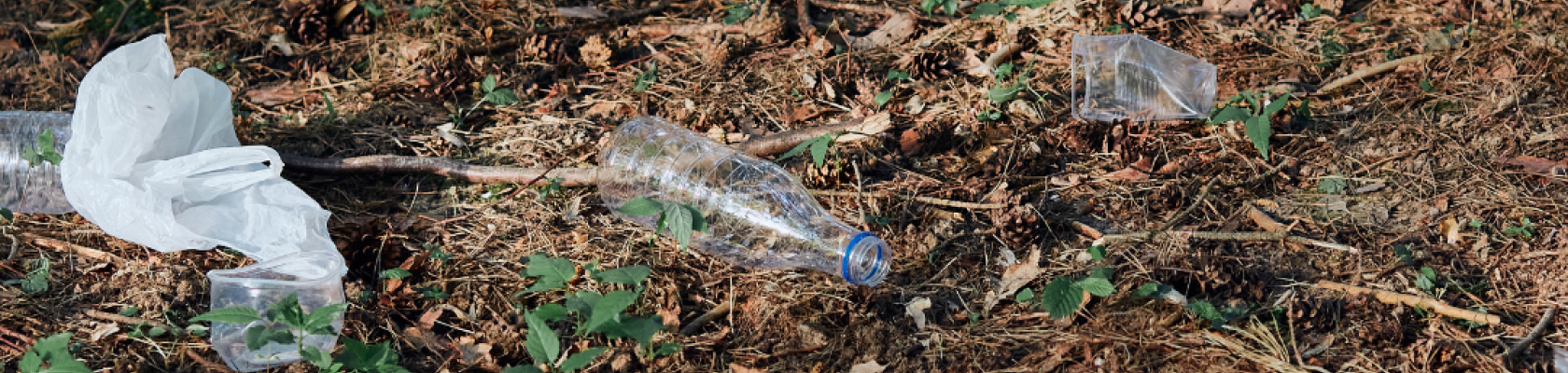
Even the most carefully landscaped park can be quickly tarnished by trash and litter. Litter in parks is unsightly and a hazard to visitors and the environment.
Litter is a problem that plagues most of the country. In fact, Keep America Beautiful cites a study that estimates there are 35 billion pieces of litter on the ground. That is roughly 96 pieces of litter for each American.
While you may not be able to completely control litter, there are some strategies you can employ to reduce it and address it quickly.
In this article, learn the effects of litter in parks and what park operations teams can do to protect their properties.
The Negative Impacts of Litter in Parks
Litter is a distraction and dangerous. Its negative effects ripple throughout the community. Here are just some of the negative impacts of litter in parks:
Safety Hazards
Litter can pose an immediate threat, such as cuts from broken glass or sharp plastics. Other not-so-apparent safety hazards also exist. Unsecured food waste can attract a variety of pests and vermin, which carry and transmit diseases. Plastic bags can wash into drainage systems, resulting in localized flooding.
Litter can also be a hotbed of bacteria, which contributes to the spread of disease. Standing water collected in discarded bottles or containers can be a breeding ground for mosquitoes that may transmit over a dozen diseases like West Nile Virus.
Environmental Issues
Litter can be harmful to wildlife and the environment. Animals may mistake litter for food, leading to choking, internal injuries, and death. Litter entangles fish and wildlife, restricting their movement or causing suffocation.
Hazardous chemicals found in some litter can contaminate the soil, which absorbs the toxins. In turn, plants and organisms living in the ground become affected. Water exposed to toxins can also harm aquatic plants and creatures.
Poor Public Perception
The presence of litter will reflect poorly on the park, community, and parks agency. Residents and non-residents may feel the agency is not doing enough to address the litter. People may perceive the parks as a place for crime or other unsavory activities.
Plus, in an age where just about everything is shared on social media, your park and agency could go viral for all the wrong reasons–very avoidable reasons.
Decreased Usage
Excessive litter may cause potential visitors to choose other, cleaner parks. Residents may go to other park systems to enjoy outdoor spaces, which will have an economic impact on the entire community.
For example, a family decides to spend an afternoon at a cleaner park in the next town over. Once they finish playing, they stop for a bite to eat at a restaurant in that town. Not only is your park losing guests, so are the local businesses near the park–businesses that may cater your parties or sponsor your events.
Ways to Help Reduce Litter in Parks
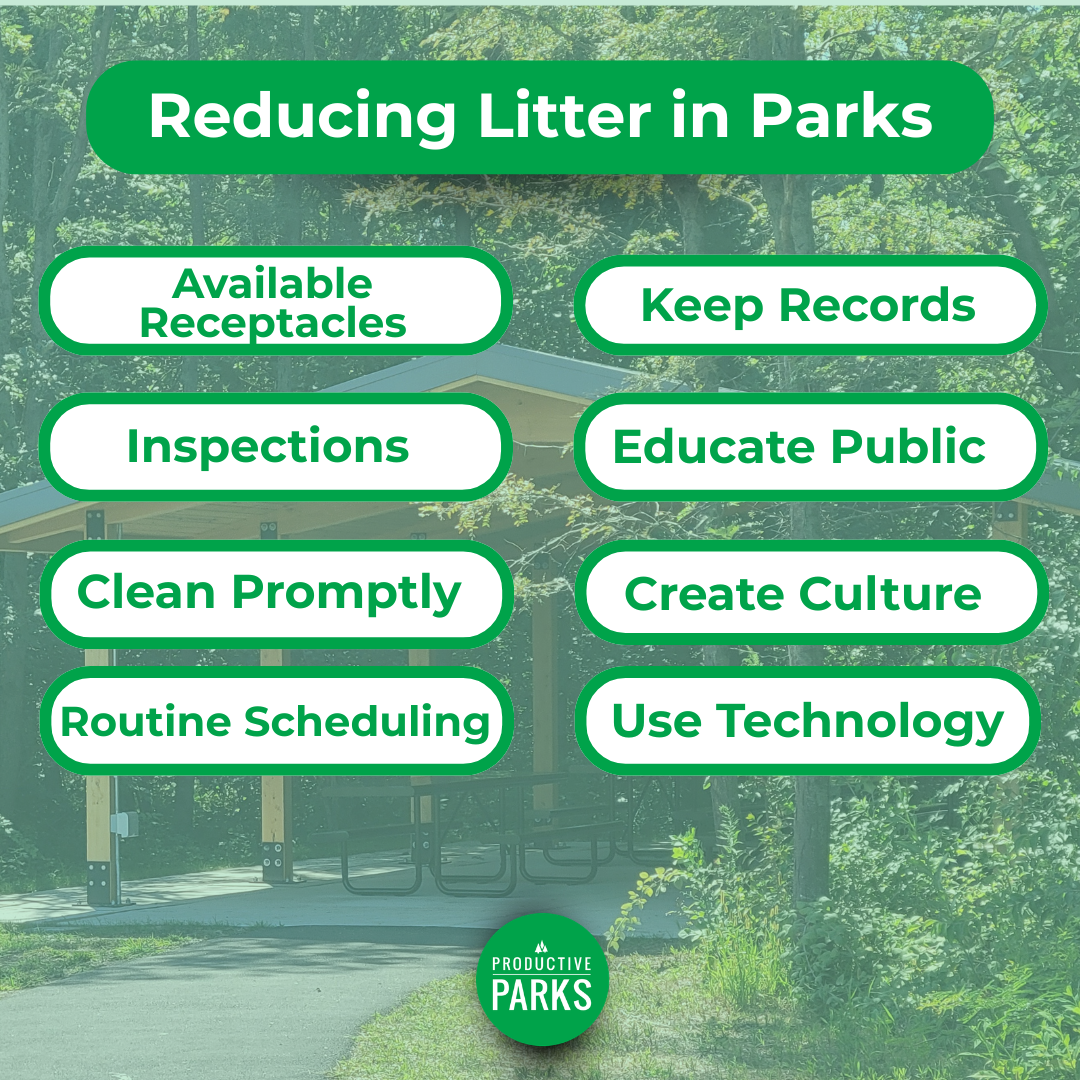 Strategically Choose and Place Garbage Receptacles
Visitors are more likely to throw out garbage when you make it easy for them. The more effort they need to find a garbage can, the more likely what they’re holding will end up as litter.
High-traffic areas that should have trash receptacles in or near them:
- Restrooms
- Picnic Areas/Pavilions
- Park Entrances/Exits
- Athletic Fields or Courts
- Playgrounds
- Trailheads
- Dog Parks/Paths
It is important to carefully choose the most appropriate trash receptacle based on the park's usage and aesthetic.
Conduct Regular Inspections
Litter won’t get picked up if nobody knows about it. The more frequent the inspections, the quicker litter and vandalism get detected.
Inspections don’t always need to be paper or digital form. If someone from the maintenance team completes a task at a park, make it part of their duty to check the property for litter. Even a quick visual inspection can result in finding something that would otherwise be missed.
Clean Promptly
Like graffiti, litter often leads to more litter. If trash is sitting on the ground, it will probably multiply. Conversely, a majority of the public will make the extra effort to dispose of their trash if the park appears well-maintained.
Cleaning the litter as soon as possible helps reduce safety hazards, prevents additional litter, and maintains a positive image of the park.
Not every agency will have the resources for a rapid response team. There are, however, things you can do to make prompt cleanup easier. For example, equip each mower with a bucket and a trash picker tool so staff can easily grab trash they see while on their mowing routes. Be sure vehicles are stocked with extra garbage bags, disposable gloves, and other supplies to address litter.
Schedule Litter Removal
Overflowing trash receptacles look unsightly. They also contribute to the litter problem. Strong winds can blow trash around, and people may be reluctant to throw something that is already overfilled.
Routinely checking and emptying trash receptacles can prevent unnecessary litter from overflowing trash cans. Make sure each of your parks has a scheduled routine of litter pickup and trash removal.
Keep Records
Are there certain times, programs, or events that generate more litter than usual in your parks? Keep a record documenting when and how much litter was picked up at your sites. By knowing when litter tends to be the worst, you can proactively have your team ready to deal with it.
Records also provide documentation that your team regularly addresses litter in case of an injury or other issue.
Educate the Public
Sadly, some people will litter regardless. There are others, however, that may think twice about where they put their trash if they understand the impacts it can have.
Educate the public about how litter can negatively affect individuals, their families, the environment, and the entire community.
Parks and recreation agencies have a unique opportunity to educate the public about the effects of litter in creative, varied ways. While a “Please Don’t Litter” sign may have its value, there are so many more effective ways to reach the public. Here are a couple of examples:
- Recreation program staff talk to their participants about littering during snacktime at day camp.
- A nature walk leader casually mentions how litter affects local plants and wildlife.
- The head of a softball league organizes a park clean-up event at the end of the season as a way to say thank you.
Create a Culture of Clean Parks
Cleaning litter shouldn’t be seen as a job solely for park maintenance staff. Everyone, from seasonal programming staff to administrators, should feel responsible for cleaning up any lingering trash.
You want to ensure your staff is aware of their expectations when it comes to litter. Create an environment where everyone pitches in to pick up litter, complementing the work of the park maintenance team.
You’ve probably heard the stories that Walt Disney was known for picking up trash around his park to serve as a good example for the rest of his staff. Here he was, the founder of the “Happiest Place on Earth,” but he knew how important it was for everyone on his team to keep the park clean.
The same attitude can make a difference in your organization. Developing a culture of pride and stewardship for the parks encourages staff to clean up when needed.
Highlighting times that parks look great, especially after busy times or events, can be a great way to reinforce this culture. Also, complimenting staff or teams that go out of their way to keep parks looking great can galvanize the culture you’re working to create.
Leverage Technology
We don’t have litter-collecting robots constantly patrolling our parks just yet, but technology can be a useful tool for reducing litter. For example, if your parks have security cameras, you could use them as a way to virtually “drop in” on a less-visited site. The cameras may not give you a view of the entire park, but you may be able to see more high-traffic areas like pavilions or the exteriors of restrooms.
Maintenance management software is another tool that helps a team report trash issues and schedule routine cleanups. Data collected from task records can also give valuable insights on scheduling trash pickups and what sites need more attention.
Finally, as we are all well aware, the internet and social media allow you to amplify your communications. Take advantage of this to highlight your clean parks. The marketing team can promote park cleanup events or run campaigns to educate the public about the negative impacts of litter in parks and natural areas.
The Takeaway
Litter can have negative and dramatic effects on a park. It is a dangerous and unsightly nuisance that jeopardizes public health and the environment. By observing your park assets, keeping records, developing trash removal routines, and educating your staff and the public, you can reduce litter and its negative impacts on your community.